Forums, tours, fests, PECOCircle and PECONet activity
Events
Discover PECOWorld-hosted sessions and independent member events. Register on the platform, then join inside PECOWorld when available or use the organiser joining link.
FEST
Experience innovation, culture, learning and community through engaging programmes.
FORUM
Exchange ideas, knowledge and practical solutions through dialogue and discussion.
TOURS
Explore organisations, communities and real-world initiatives creating change.
Past events
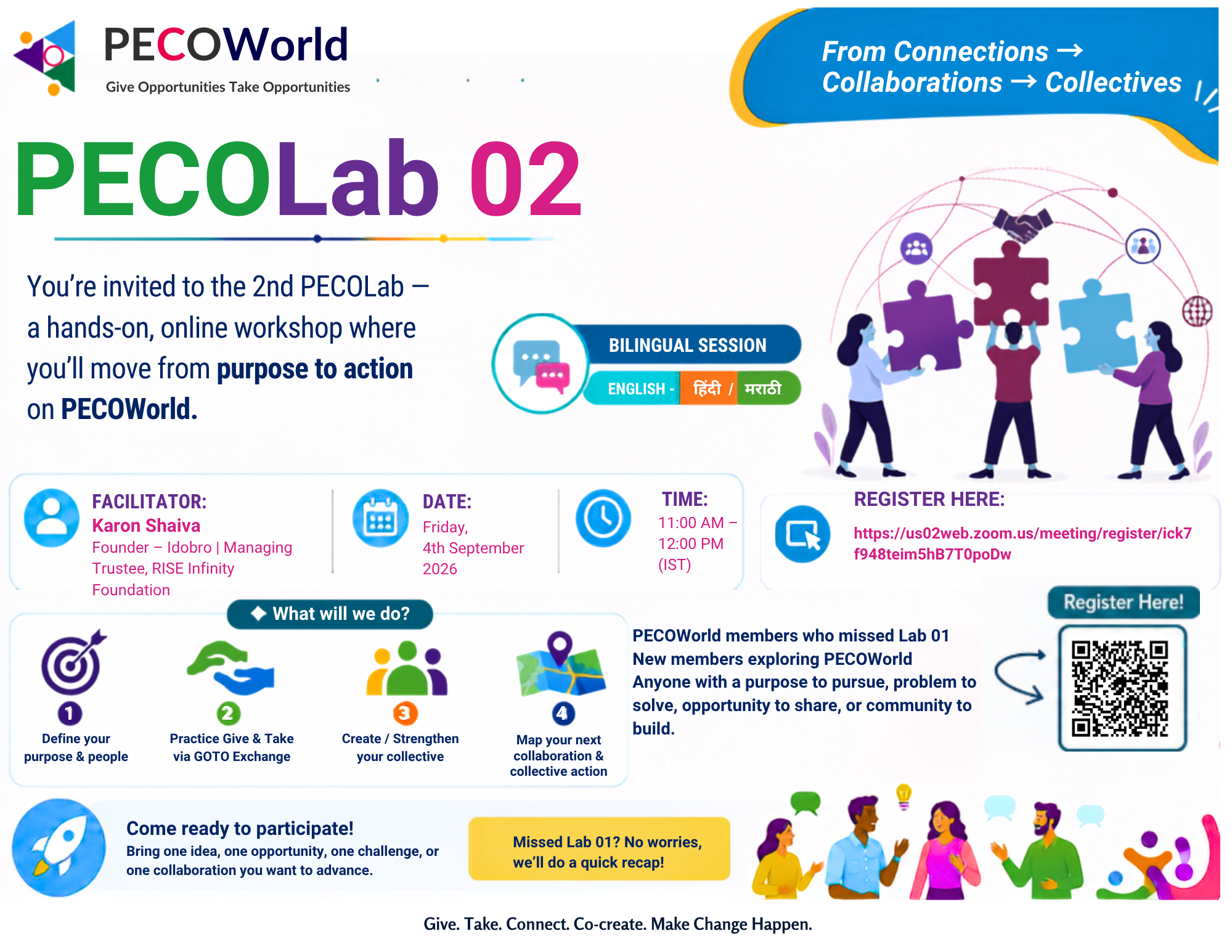
🔹 What will we do? 1. Define your purpose & people 2. Practice Give & Take via GOTO Exchange 3. Create / Strengthen your collective 4. Map your next collaboration & collective action 👥 Who should join? 1. PECOWorld members who missed Lab 01 2. New members exploring PECOWorld 3. Anyone with a purpose to pursue, problem to solve, opportunity to share, or community to build Come ready to participate! Bring one idea, one opportunity, one challenge, or one collaboration you want to advance. Missed Lab 01? No worries, we’ll do a quick recap!
The conversations don't end here—they evolve into collaborations. Join the PECOWorld GOTO Exchange to reconnect, share progress, explore new opportunities, and co-create meaningful impact together.
.png)
From Connections to Collaborations PECOlab is a hands-on online workshop designed to help participants experience PECOWorld by turning connections into meaningful collaborations and collective action. Participants will define a purpose, discover aligned people using the Persona and 3C Passport, explore mutual contributions through GOTO Exchange, and build towards a PECONet or PECOCircle. Bring an idea, challenge, opportunity, existing initiative, or community you want to take forward—and come ready to collaborate, contribute, and create.
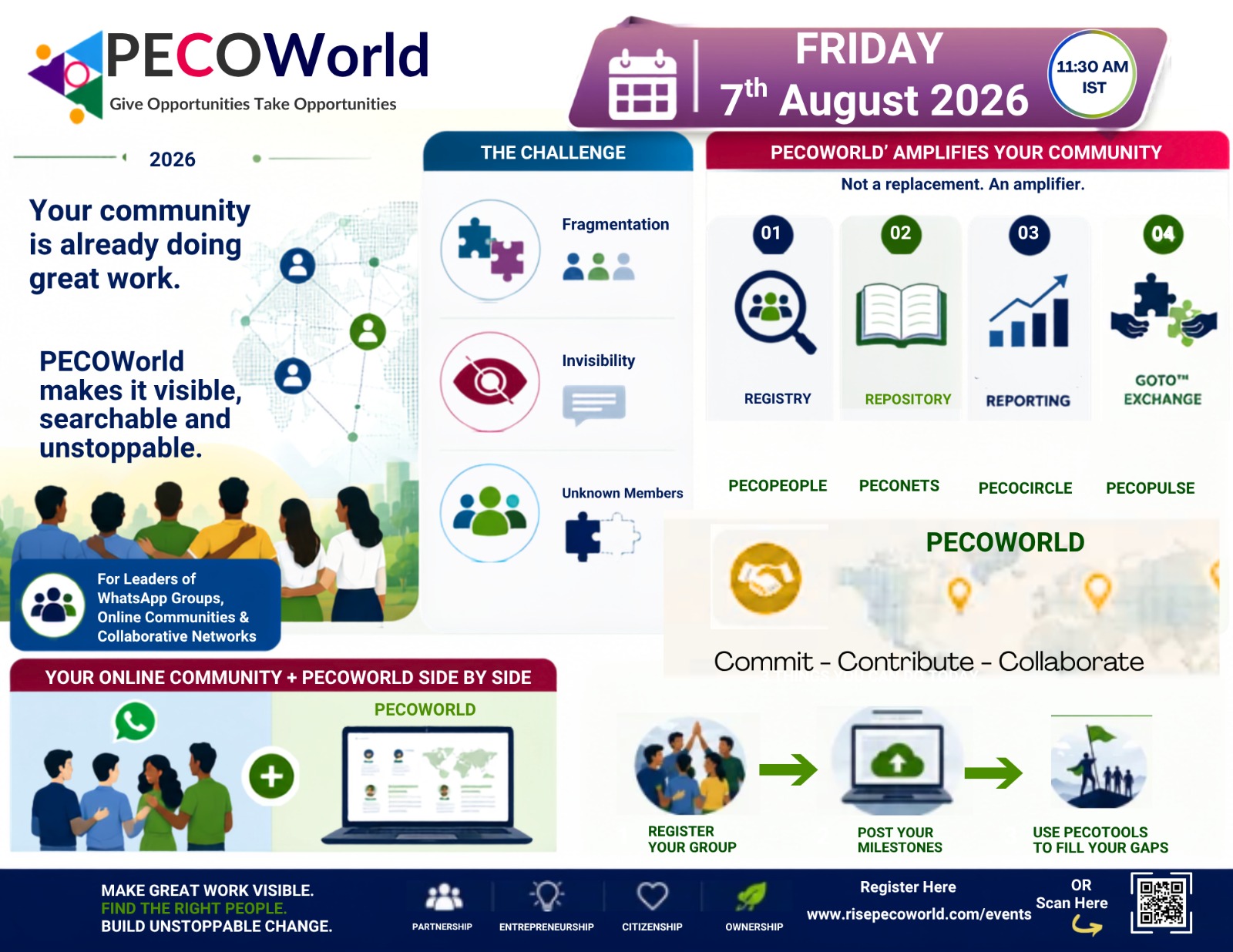
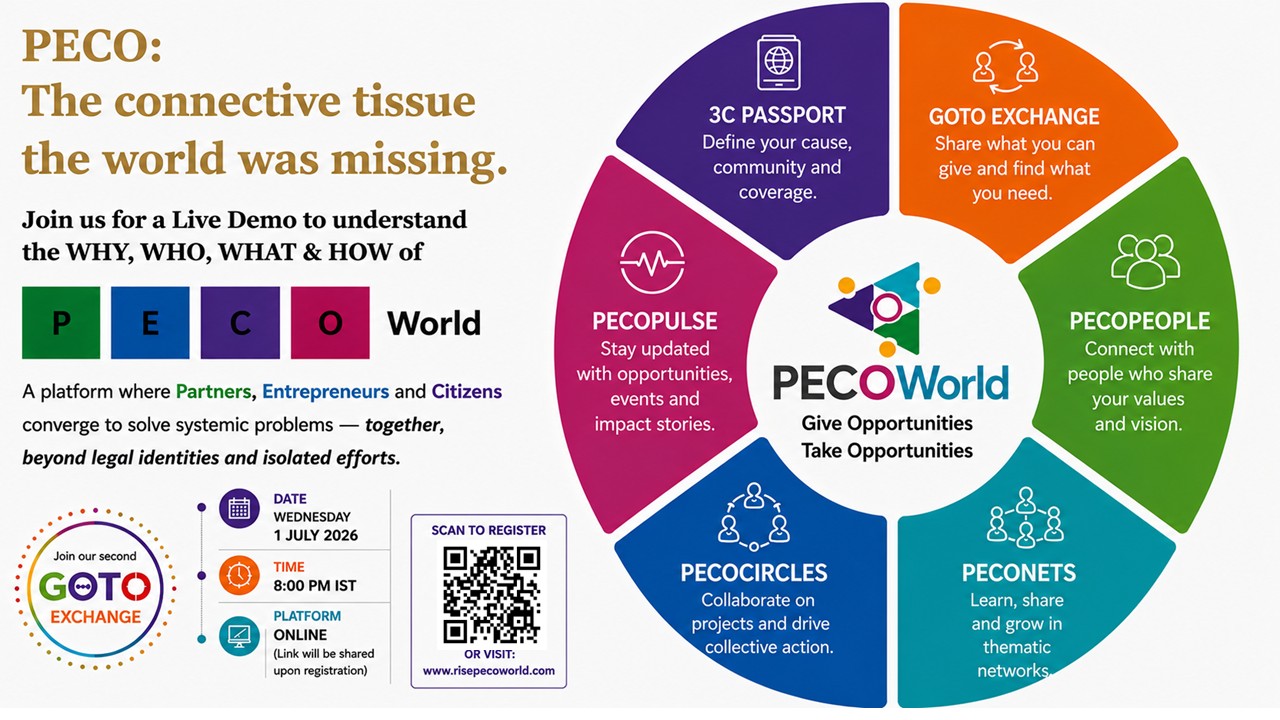
Join us for the PECOWorld GOTO™ Exchange, an interactive online session designed for leaders of WhatsApp groups, online communities, collaborative networks, NGOs, social enterprises, CSR foundations, and ecosystem builders. The session will introduce how PECOWorld addresses common challenges such as fragmented communities, limited visibility, and disconnected members through its four key pillars: Registry, Repository, Reporting, and GOTO™ Exchange. Participants will discover how to register their communities, showcase milestones, connect with like-minded organizations, access practical collaboration tools, and build stronger partnerships that accelerate collective impact. Whether you lead a local initiative or a national network, this session will help you strengthen your ecosystem and unlock new opportunities for collaboration. Who Should Attend? 1] Leaders of WhatsApp Groups and Online Communities 2] NGOs and Civil Society Organizations 3] CSR Foundations and Corporate Teams 4] Social Enterprises and Startup Communities 5] Collaborative Networks and Ecosystem Builders 6] Anyone interested in expanding the visibility and impact of their community Key Takeaways 1] Understand the PECOWorld ecosystem and its collaborative approach. 2] Register your community and make it discoverable. 3] Learn how to document milestones and showcase impact. 4] Connect with potential partners, collaborators, and supporters. 5] Explore PECOTools to identify gaps and strengthen your community's growth.
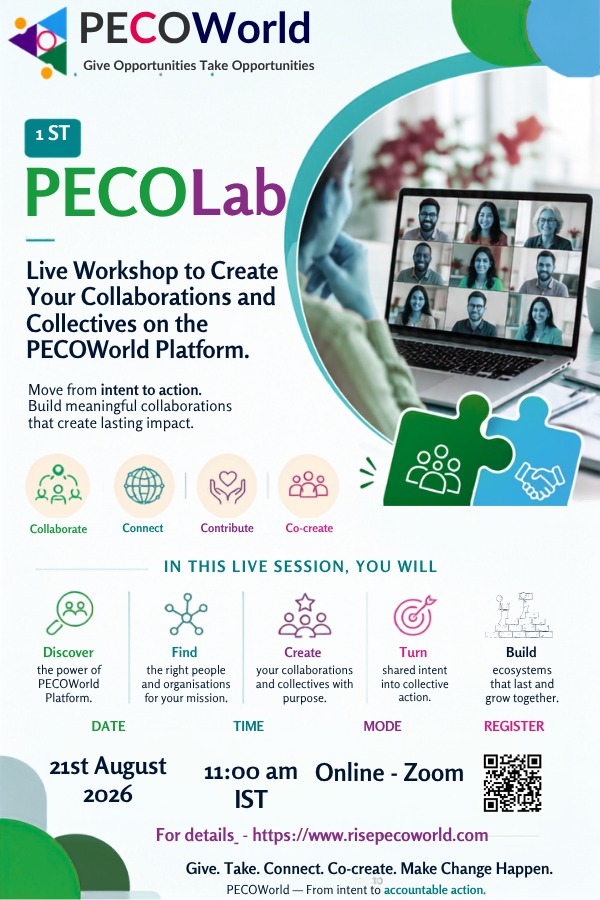
This interactive session is designed to help participants explore the PECOWorld Platform, understand its features, and learn how to effectively engage with the global community. Whether you're a new member or an existing user, this meeting will guide you through the platform, answer your questions, and help you maximize your experience.
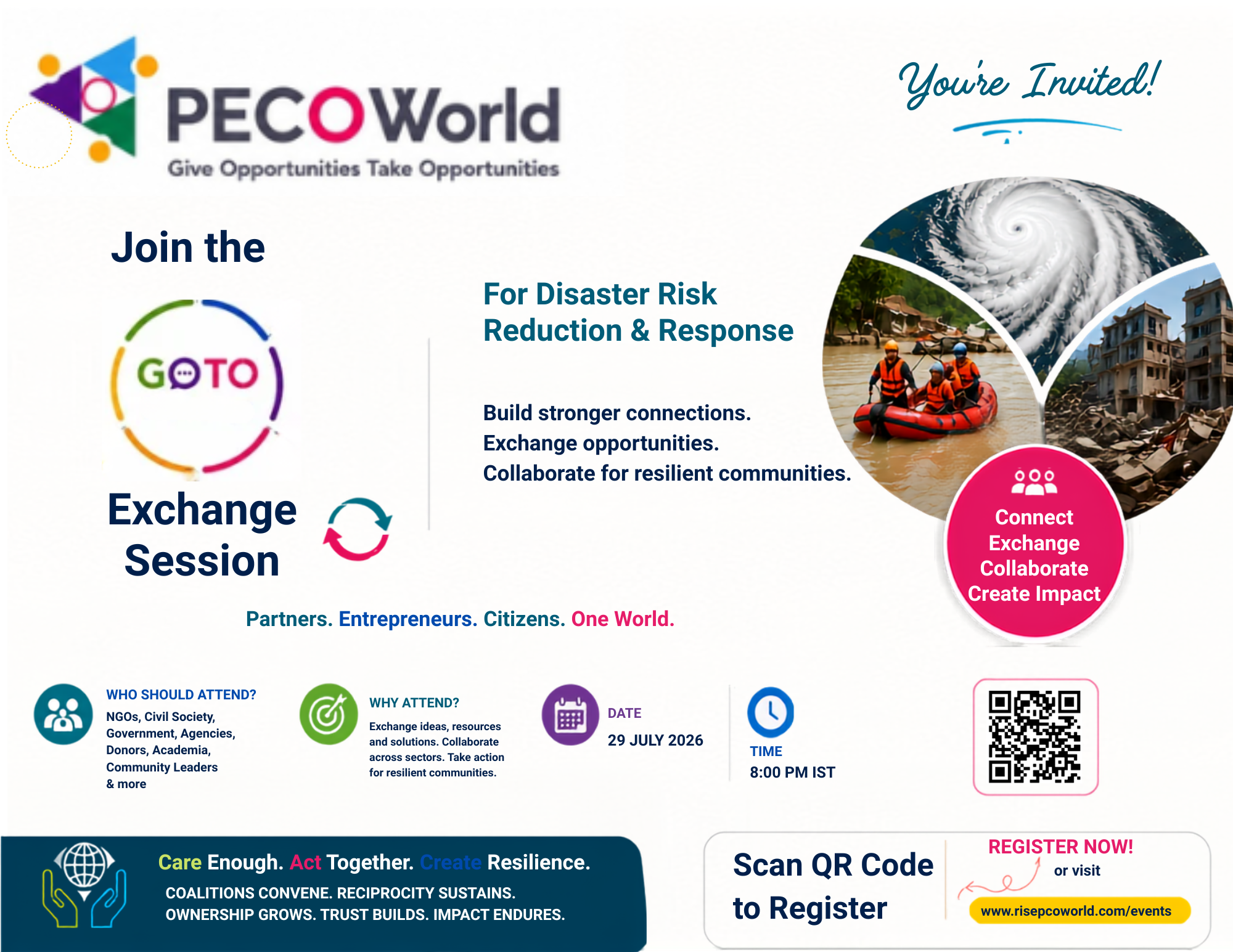
Demonstration of how PECOWorld is a platform for collaboration, coalitions and collective action. Explain it strengthens (not replacing or duplicating) existing communities and groups. And the process and benefits of adopting the PECO approach. PECOWorld helps to 1. Identify who wants to collaborate 2. What could be common interests / win-win opportunity for joint action 3. How to track your coalition / community / WhatsApp group activities 4. Report on progress made 5. Attract more people / Inspire others
Transitioning 17 years of offline partnership-building into a scalable, AI-powered digital ecosystem requires more than just new software; it requires a new methodology. Led by Karon Shaiva (Karon Shaiva Chief Impact Officer, IDOBRO Impact Solutions), this session detailed how the PECOWorld platform solves severe collaboration inefficiencies across civic, corporate, and community sectors. The core thesis: static impact reports and unorganized chat groups must evolve into transparent, real-time matchmaking networks to drive genuine systemic change. "Just creating static impact assessment reports is not true transparency. We all know that. PECOWorld is built to show real-time, ground-level collaboration." For nearly two decades, building multi-stakeholder partnerships required heavy manual networking, often resulting in slow deployment and localized silos. In this launch session, Karon Shaiva outlined the official transition of a heavily tested, 17-year-old offline model into the digital PECOWorld ecosystem. By leveraging modern AI and structured digital frameworks, the platform aims to eliminate the friction that typically plagues civic and corporate collaborations, turning fragmented intent into coordinated, trackable action. The Core Vision: Four Strategic Use Cases The PECOWorld platform and its underlying model are engineered to solve specific operational bottlenecks across four distinct sectors: Gov-Citizen Initiatives: Municipalities and residents often struggle with the poor execution and communication of civic policies. The platform provides a direct, structured digital interface for joint public-private projects, bridging the gap between state intent and citizen reality. Citizen Collective Action: Grassroots groups typically rely almost entirely on unorganized WhatsApp chats, leading to lost data, zero accountability, and rapid volunteer burnout. PECOWorld offers structured project tracking and resource mapping backed by platform support. Alumni Networks: Educational institutions frequently limit alumni engagement to transactional, purely financial fundraising. The platform maps alumni capabilities to build deep, value-driven relationships that go beyond the wallet. Next-Gen CSR: Corporate Social Responsibility (CSR) teams often suffer from low visibility and "paper-only" accountability. PECOWorld serves as a public-facing portal that makes CSR projects transparent, visible, and highly collaborative for external stakeholders. The Three Pillars of Implementation Support To ensure users successfully transition from theoretical interest to active implementation, Shaiva announced that the parent organization will back new users with three core resources: The AI-Driven Tech Platform: Developed and refined over 17 years—and stress-tested during the pandemic with UNICEF to track a disaster-response network of 240 partners down to the village level—the platform now integrates AI. This makes multi-stakeholder capability mapping and matchmaking highly scalable and affordable, bypassing previously prohibitive coordination costs. Knowledge and The KORU Toolkit: Any user launching a thematic network (PECONet) or a smaller working group (PECOCircle) receives direct handholding. Users gain access to the specialized KORU Toolkit—a set of step-by-step methodologies detailing exactly how to build, maintain, and sustain collaborative coalitions. Activating the Network: The platform digitizes years of manual networking. If a user posts a "Take" (a request for a specific resource, such as a physical space or a specialized skill), the platform owners actively leverage their extensive physical network to fulfill that match. Real-Time "Gives" & "Takes": The Live Exchange The GOTO session did not just discuss collaboration; it functioned as a live matchmaking marketplace. Senior corporate coaches within the network stepped forward to volunteer executive coaching time for social entrepreneurs. Simultaneously, participants actively tested the system—Nisha successfully uploaded the platform's first official "gift" (resource offer) live on the call, while plans were set to launch a Bangalore Chapter PECONet spearheaded by Subhash Panicker to focus on localized senior citizen support. To sustain this momentum, the group established a bi-weekly operational sprint. Participants are tasked with logging into the portal, experimenting with offers, and compiling UX feedback before the next session, which will focus entirely on Stakeholder Mapping. Additionally, the development team proved the platform's agility: based on immediate user feedback during the call, Ankush Singh and the tech team added UI upgrades to the development queue to increase support visibility and introduced an opt-in "success story" tracking feature to help promote highly active coalitions.
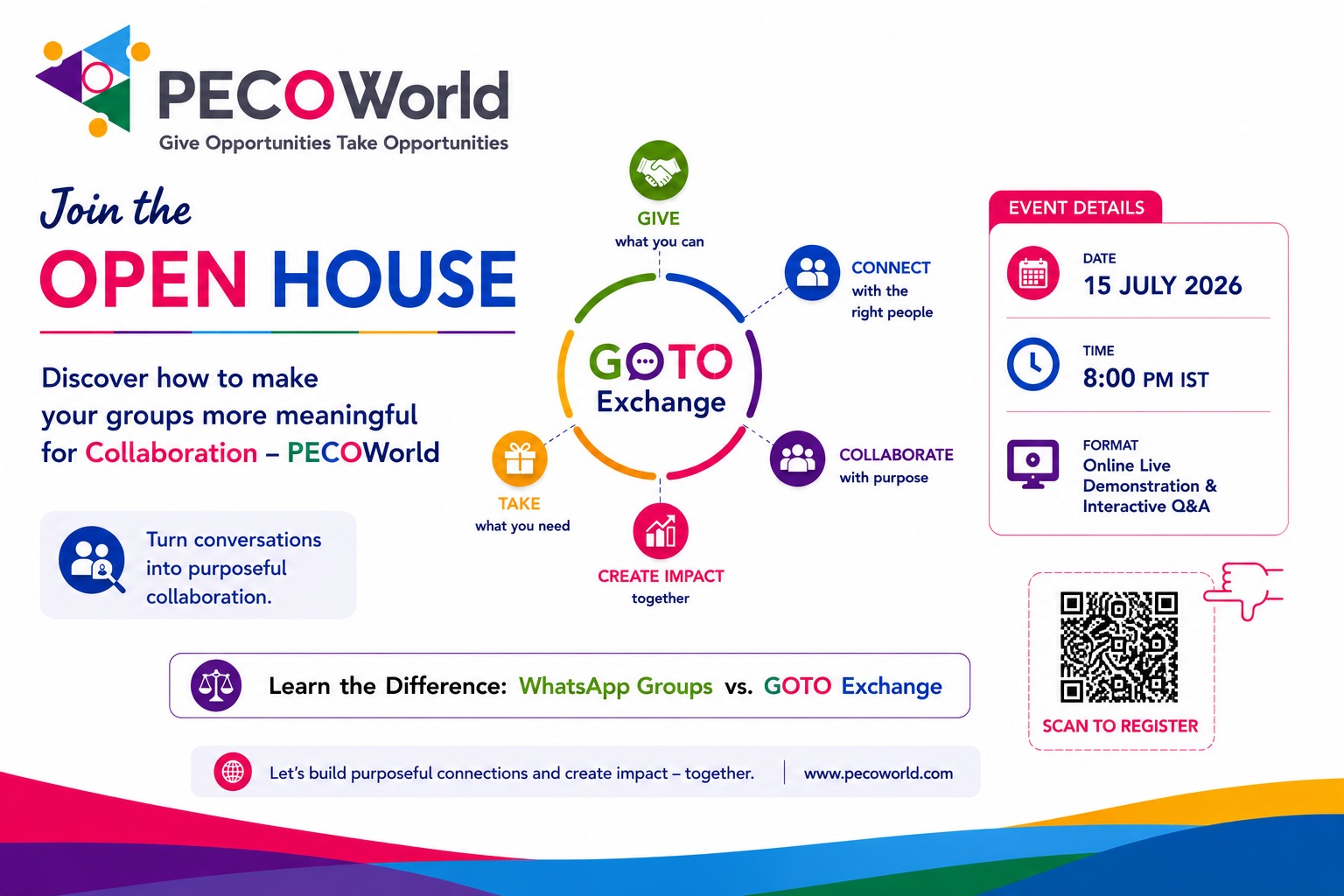
A space for the RISE Community to stay connected, keep the momentum going, and actually do something with the conversations we started at the summit. Come prepared with what's on your mind
Listed on PECOWorld; joining and event delivery are managed by the organiser.
.png)
The Closing Plenary brings the Summit to a conclusion. It includes the RISE Awards which recognises special individuals who have undertaken exemplary initiatives for their society and/or different constituents. Their inspiring efforts truly represent the RISE Values - Responsible, Inclusive, Sustainable and Ecosystem friendly, as drivers of positive actions for a better world and a greener planet!
.jpg)
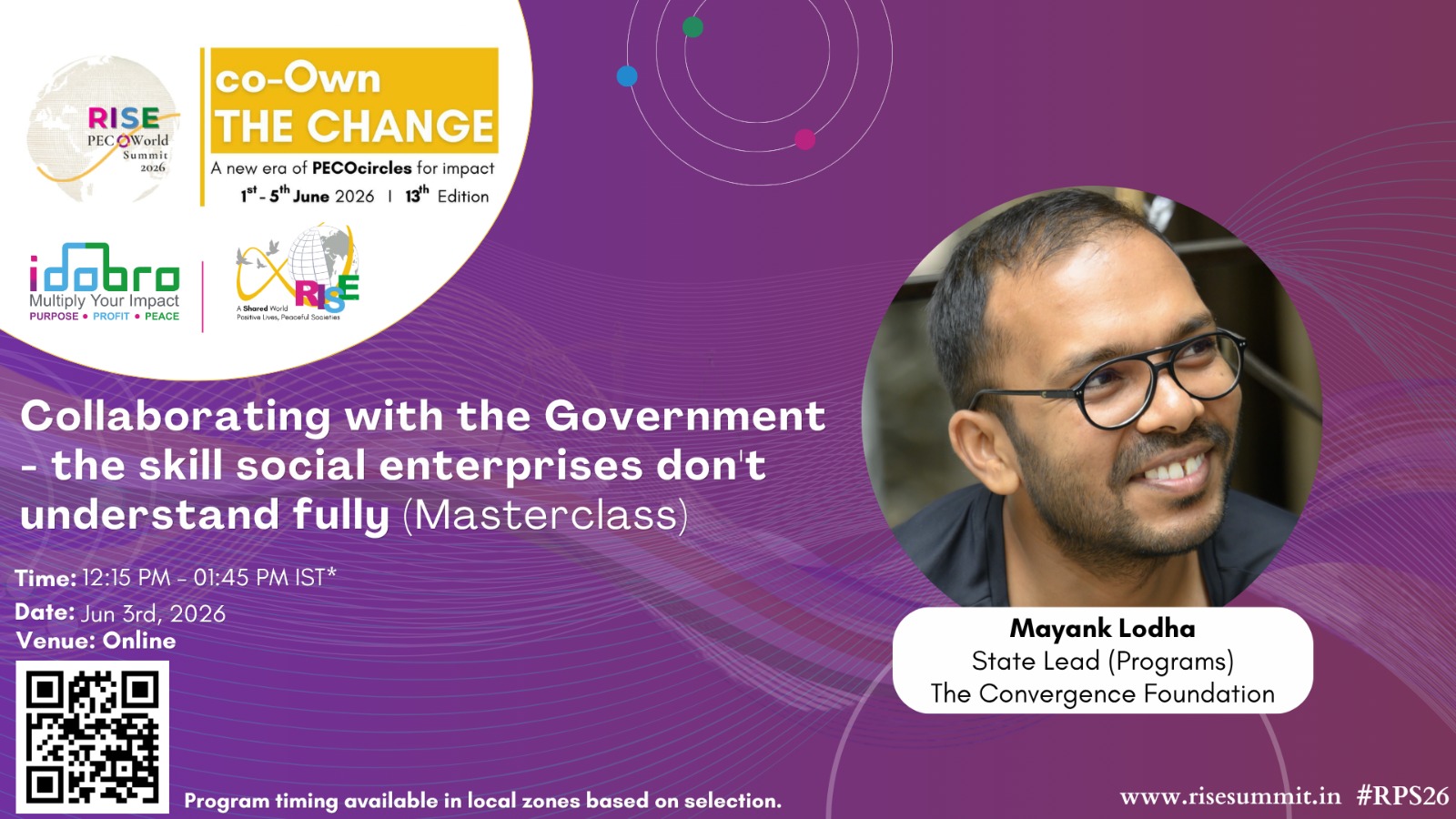
Social enterprises frequently stall by treating the state as a mere funding tap or a rigid adversary. Mayank Lodha (State Lead at The Convergence Foundation), in this session held on June 3rd 2026, argues that real systemic scale requires positioning innovations as structural assets that directly serve the state's existing mandates. The core thesis: sustainable public sector collaboration is a long-term operational marathon, requiring innovators to move from an outside "selling" pitch to an inside "mandate-alignment" strategy. A crisp, data-backed briefing note delivered directly to an administrative secretary preserves institutional legacy far better than a flashy, high-tech boardroom presentation. In the social impact space, we face a recurring operational paradox: innovators design brilliant grassroots solutions but treat the scale engine—the government—as an obstacle to bypass or an ATM to pitch. For decades, engagement has been treated as a series of short-term transactions rather than a deep structural integration. This adversarial or extractive framing has consequences, leaving high-potential models stranded in pilot purgatory. To break this stagnation, Mayank Lodha argues that social enterprises must pivot from viewing the state as a critic to recognizing the executive branch as their primary partner on a national scale. Navigating the Executive Engine: A Marathon of Trust The government is a massive, multifaceted monolith encompassing the legislature, judiciary, and executive branches. For social enterprises looking to scale an operational solution, Lodha highlights that the real focus must narrow exclusively to the executive branch—the machinery responsible for policy implementation. True collaboration within this sphere is a marathon, not a sprint. The rigid hierarchies of civil service demand deep institutional patience and a multi-year commitment to trust-building. Credibility in the eyes of state actors is built through consistent, reliable execution on the ground, not through polished initial pitch decks. In the public ecosystem, your long-term presence is your actual proof of concept. The Art of the Bureaucratic Pivot: Aligning with Mandates The standard private-sector sales pitch fails entirely when applied to state systems. Rather than trying to "sell" a shiny, standalone external product, Lodha notes that social enterprises must entirely reframe their approach to ask a fundamental question: “What does the government need that I can help with?” Bureaucrats are risk-averse by design; their careers are structured around public accountability and compliance. To mitigate their perceived risk, solutions must be deliberately engineered to slot directly into existing scheme budgets, guidelines, and pre-established Key Performance Indicators (KPIs). The Operational Blueprint: Paperwork as Institutional Memory One of the greatest hazards in government collaboration is the frequent transfer of personnel. A champion bureaucrat who backs your project today could be reassigned tomorrow. To survive this volatility, social enterprises must master the mechanics of bureaucratic paperwork to build what Lodha calls an "institutional legacy." Creating an official, meticulous paper trail ensures your project builds a memory that outlasts any single individual's tenure. Enterprises must learn to communicate through crisp, highly specific briefing notes that outline the clear context, value proposition, empirical evidence, and explicit administrative "asks." Furthermore, navigating this ecosystem requires deep respect for the human element: building genuine rapport with the administrative staff, personal assistants, and secretaries who actively control access to ultimate decision-makers. System Over Jolts: Protecting the Last Mile A brilliant model will collapse instantly if it creates a system shock. If an enterprise introduces a workflow that drastically increases the daily burden on already overwhelmed frontline field staff, the project is dead on arrival. The goal must always be to optimize and smooth efficiency within the state's existing field capacities. Beyond simple operational adjustments, social enterprises carry a profound moral imperative. They act as the vital bridge that injects real citizen voices directly into cold bureaucratic processes, ensuring that massive, top-down state programs remain responsive to actual human needs. Conclusion: Scale Meets Innovation The future of large-scale social impact depends entirely on bridging the gap between flexible, innovative grassroots models and the government's unparalleled capacity for scale. True success lies in shifting the paradigm entirely: the social enterprise is no longer an external vendor or a noisy critic, but a co-architect of public delivery. The masterclass closes on a critical question for modern social changemakers: Are you ready to stop pitching to the government, and start solving with it? FAQ Why should social enterprises focus primarily on the executive branch? While the legislature creates laws and the judiciary interprets them, the executive branch is the sole arm responsible for ground-level policy implementation. If your goal is operational scale, the executive branch is the machinery that owns the delivery network. How do you prevent a collaboration from collapsing when a key government official gets transferred? By prioritizing a continuous, official paper trail over verbal agreements. Documenting every milestone, approval, and guideline alignment establishes an institutional legacy, ensuring the project becomes embedded within the department's memory rather than a single official's office. What does it mean to avoid "jolting" the government system? It means designing interventions that do not overload the capacity of already constrained frontline workers. A successful solution must smoothly integrate into the existing operational workflows of field staff, enhancing their efficiency rather than expanding their workload.
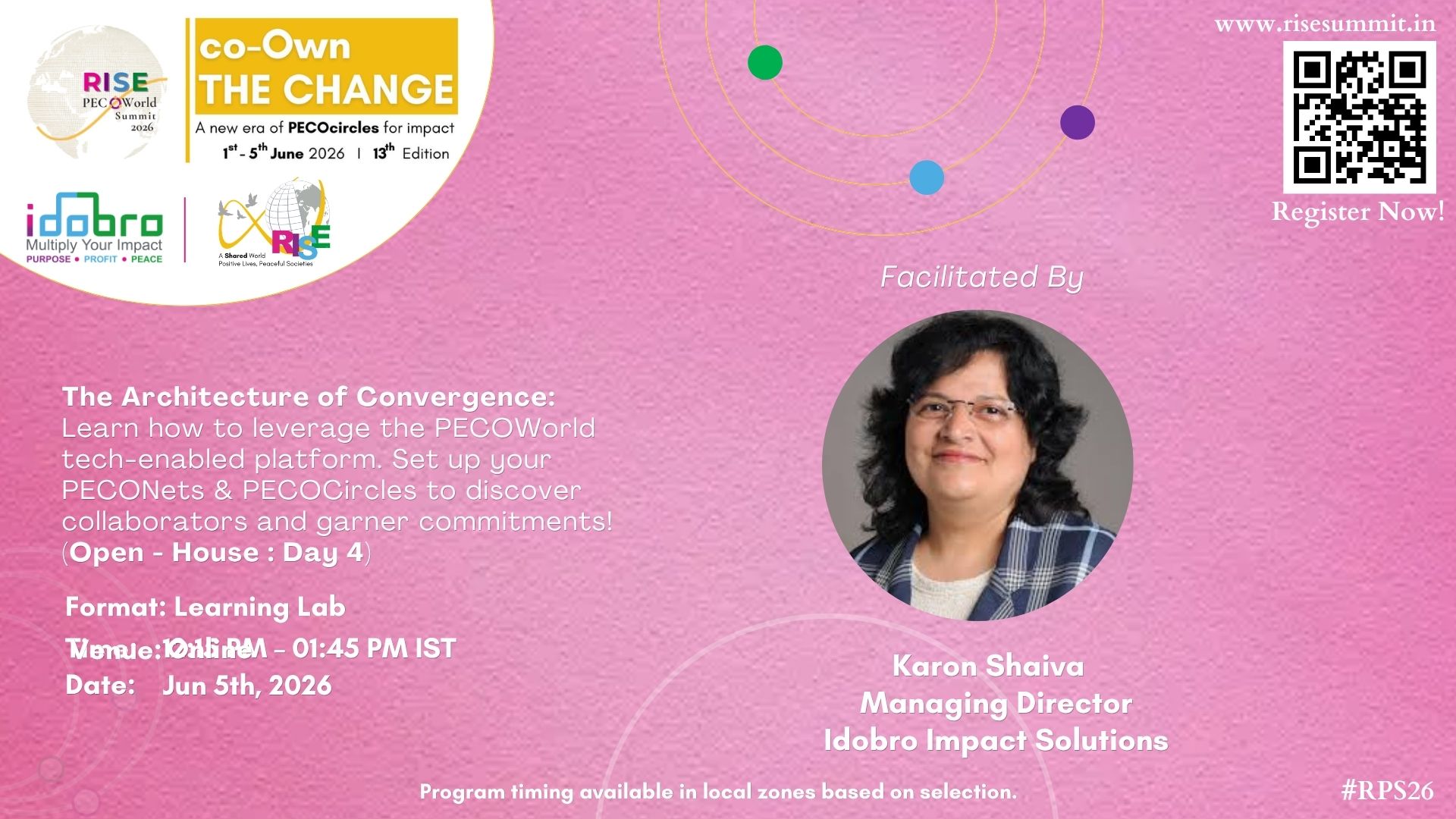
This open-house session offers a practical, welcoming space to explore how technology can bring us closer together and turn shared intentions into collective action. Participants will learn how to navigate the PECOworld platform to build their own PECONets and PECOCircles, creating dedicated spaces for deep collaboration and mutual support.
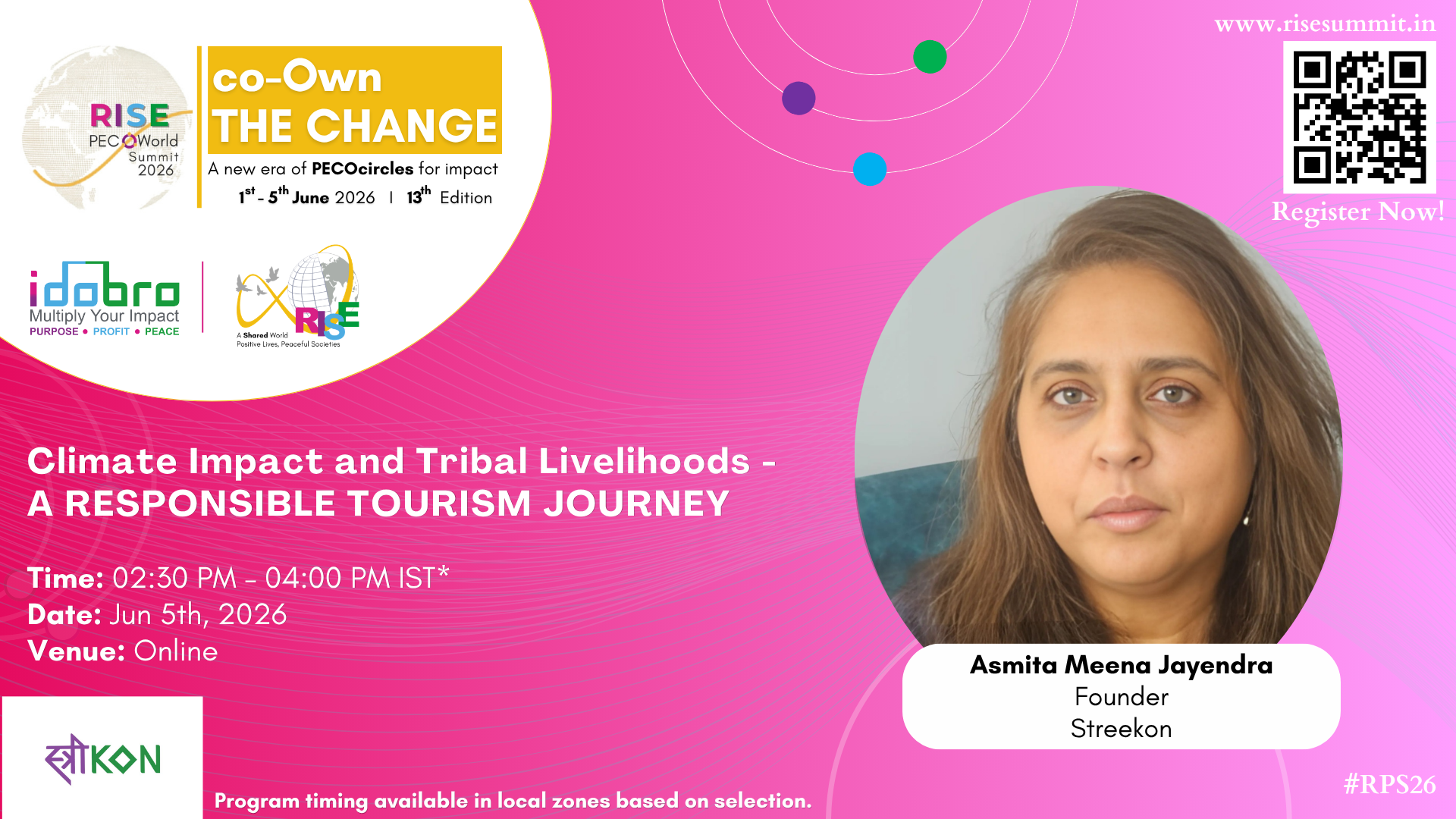
Tribal communities stand at the absolute frontlines of environmental and climate disruption. Led by Asmita Meena Jayendra (Founder of Streekon) on 5th June 2026, this masterclass explores how decentralized economic models can protect the Katkari tribal ecosystem in Khalapur, Maharashtra, while building climate resilience. The session's core thesis: sustainable eco-tourism is not just a leisure industry, but a powerful strategic tool to diversify local incomes, preserve intangible heritage, and safeguard regional biodiversity under the summit's central vision, "Co-Own The Change". “We must move beyond charity. True resilience lies in training tribal women as eco-tourism leaders, transforming their traditional ecological wisdom into self-sustaining livelihoods.” The Intersection of Climate Vulnerability and Community Assets Indigenous tribes possess centuries of deep, localized ecological knowledge, yet they are often the most economically vulnerable to shifting weather patterns. This session highlights how responsible tourism can serve as a bridge. Rather than treating tribal clusters as passive subjects of regional development, the Streekon model positions them as the primary custodians of eco-friendly tourism tracks. By restructuring the local economy around low-impact, asset-based tourism, remote clusters can secure sustainable livelihoods while actively defending the biodiversity of their ancestral lands. Hands-On Innovation: The Workshop Segments The masterclass spotlighted several practical, scalable activities currently deployed to build local capacities and capture tourism value: 1. Circular Product Innovation Led by Geeta (Head of Training), this segment demonstrated practical ways to curb plastic waste in tourism clusters. Participants explored how to upcycle cardboard and banana leaves into durable plates and serving bowls, transforming local organic waste into high-utility, biodegradable alternatives. 2. Culinary Heritage Preservation Food represents a powerful vehicle for cultural exchange. The team showcased the preparation of Mango Modaks—utilizing seasonal, hyper-local ingredients like fresh mango pulp, jaggery, and rice flour. These traditional culinary items create memorable, authentic experiences for eco-tourists while supporting local agricultural networks. 3. Ethnobotanical Wisdom & Forest Ecology Shanu Pawar, a local tribal goat herder, shared an intimate look into the tribe’s daily coexistence with the forest. She detailed: Traditional Veterinary Medicine: Using specific forest plants—such as Palaash (Butea monosperma) flowers and wild leaves—to treat livestock ailments, bypassing expensive, chemically synthesized drugs. The Sourcing Journey: Trekking deep into the wilderness to harvest appropriate fodder, demonstrating how the community's primary livelihood depends directly on keeping the forest canopy intact. 4. Crafting Intangible Legacies Nidhi Patil walked participants through the traditional art of weaving venis (floral hair garlands) from the local Bhagara flower. Handed down across generations, this meticulous skill is transformed from a daily ritual into an interactive tourism craft, offering a dignified, supplementary source of income. Conclusion: Co-Owning the Change Alternative livelihood frameworks only succeed when they respect the dignity, agency, and inherent knowledge of the community. Asmita Meena Jayendra’s work demonstrates that when we integrate ecological protection with cultural celebration, we do not just save a landscape—we empower its people. The path forward for India's eco-tourism policies is clear: tribal communities should not merely be part of the landscape tourists come to see; they must be the CEOs of the experience. FAQ Who are the Katkari tribe, and why is this model focused on them? The Katkari are a vulnerable tribal community primarily located in parts of Maharashtra. Highly dependent on forest resources and physical labor, they are exceptionally vulnerable to climate-induced changes in the forest ecosystem. This model builds alternative economic safety nets directly where they are needed most. How does upcycling banana leaves and cardboard support the local economy? It establishes a local, low-cost circular economy. By training tribal women to produce biodegradable tableware from organic waste and recycled cardboard, the community reduces plastic pollution in their environment while generating direct sales revenue from eco-resorts, tourists, and local businesses. What role does traditional veterinary medicine play in forest conservation? When herders like Shanu Pawar rely on indigenous forest plants (like Palaash leaves) for livestock care, the economic value of the standing forest becomes clear. It incentivizes the community to actively protect biodiversity, as the health of their primary livelihood (livestock) is tied directly to the health of the wild flora.
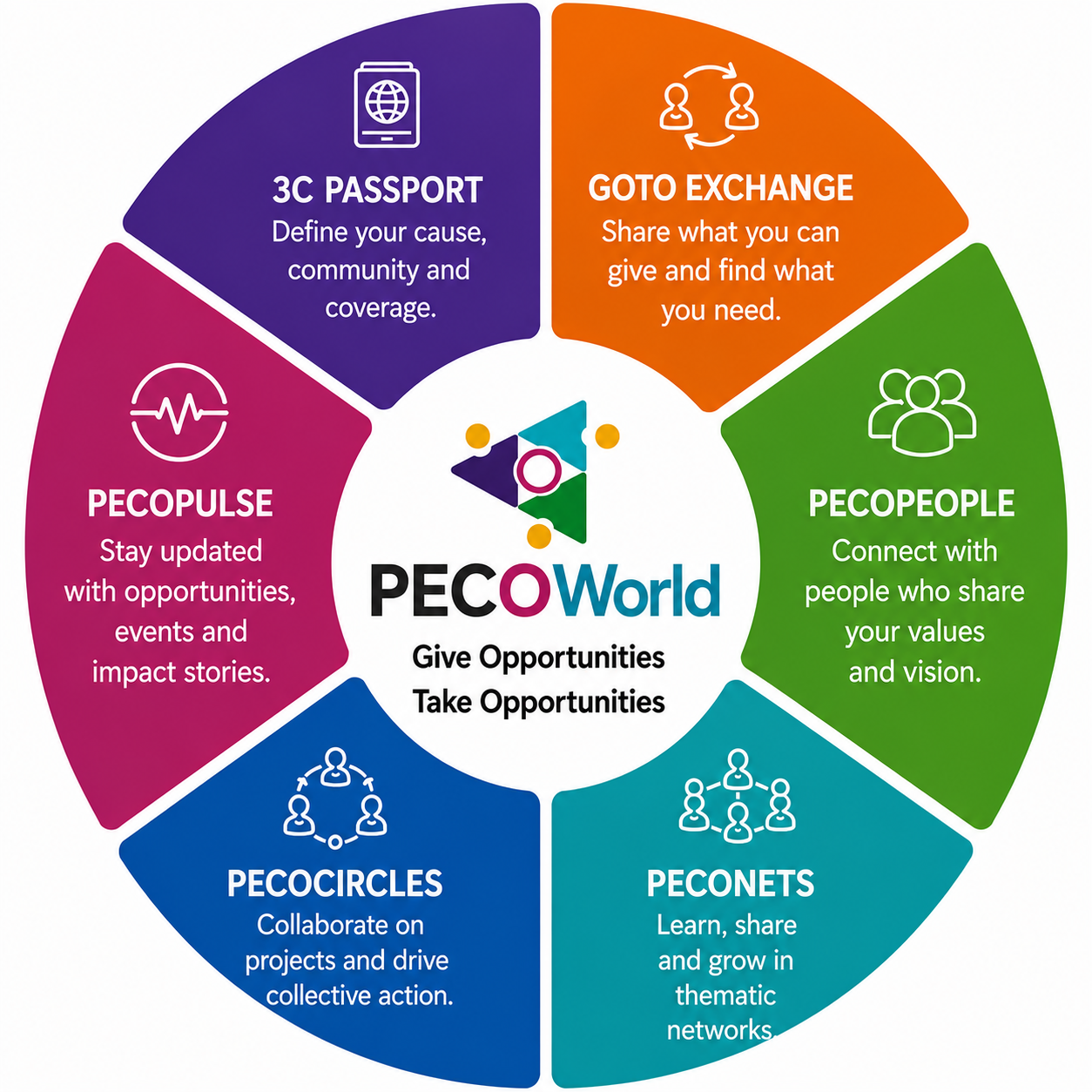
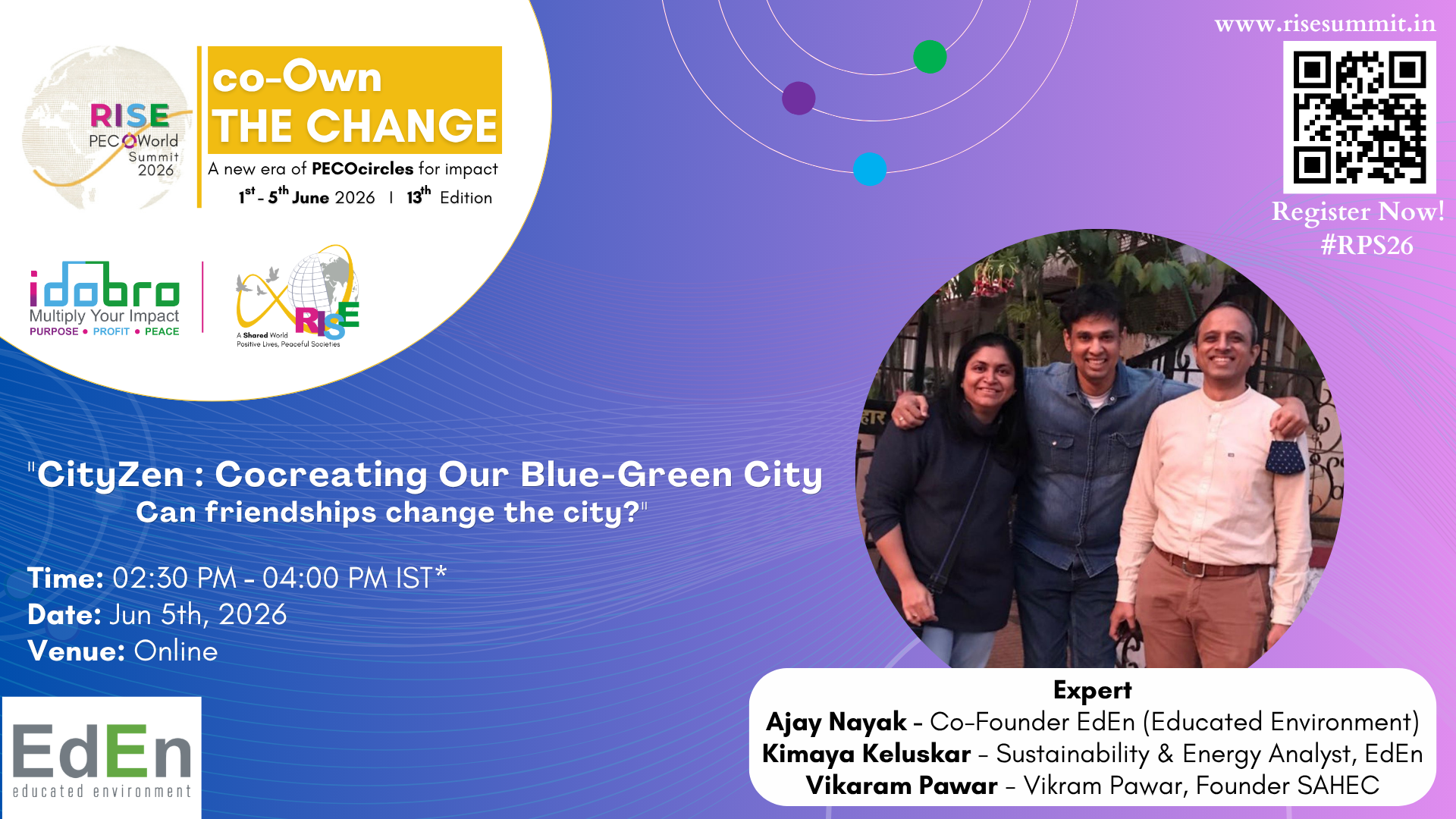
Modern concrete jungles have fractured the relationship between human habitats and natural water cycles, driving severe urban flooding and ecological decay. In this session held on 3rd June 2026, panelists Ajay Nayak, Kimaya Keluskar, and Vikram Pawar argue that reversing this crisis requires a transition to "blue-green urbanism"—integrating water systems and ecology directly into city design. The core thesis: urban transformation cannot be achieved through top-down municipal planning alone; it requires shifting to a shared-ownership model powered by localized grassroots networks and structural citizen commitment. Proximity does not equal alignment. Real urban impact requires moving past passive dialogue in community groups and stepping into structured, "skin-in-the-game" execution. In our rush to build vertical, climate-insulated cities, we face a profound infrastructural paradox: we pave over our natural floodplains and concrete our streams, only to express surprise when our streets turn into raging rivers each monsoon. For decades, urban development has treated water management and ecology as secondary engineering problems rather than the foundational landscape of a city. This artificial separation has structural consequences, driving chronic urban flooding, groundwater depletion, and environmental degradation. To move beyond this vulnerability, the panel argued that India must transition from treating citizens as passive municipal consumers to recognizing them as active co-designers of the "Blue-Green City." Restoring Ecosystems: The Architecture of Blue-Green Urbanism Traditional grey infrastructure relies entirely on pipes, concrete drains, and retention walls to fast-track rainwater out of the city—a design philosophy that is rapidly failing under extreme climate events. Blue-green urbanism, as explored by Ajay Nayak (Co-Founder, EdEn) and Kimaya Keluskar (Sustainability & Energy Analyst, EdEn), offers a structural alternative: blending water management (blue) and green spaces (green) directly into the urban fabric. This model shifts the planning paradigm from fighting natural hydrology to working with it. By restoring natural urban watersheds, daylighting choked streams, and implementing permeable green networks, cities can absorb rainfall rather than repel it. Achieving this at scale, however, demands breaking down top-down administrative silos and substituting them with a shared ownership model where local communities actively drive and protect environmental restoration. The Human Infrastructure: Friendship and Radical Collaboration Technical design represents only half the equation; the panel emphasized that the true bottleneck to sustainable urban change is the social infrastructure behind it. Vikram Pawar (Founder, SAHEC) highlighted a foundational truth often ignored in professional spaces: large-scale social movements are anchored and sustained by deep personal relationships. The battle against urban ecological decay is notorious for bureaucratic gridlock and high burnout rates. Within this landscape, personal friendships function as an essential form of "positive peer pressure," providing the emotional resilience and trust needed to navigate institutional hurdles over multi-year timelines. Furthermore, the panel introduced a sharp framework for civic mobilization, cautioning that simply bringing people into the same room or WhatsApp group does not guarantee results. True alignment requires moving beyond superficial talk and establishing clear mechanisms where citizens contribute tangible resources, time, and accountability. The PECO Model: Operationalizing Grassroots Scale To bridge the gap between intent and execution, the session showcased the operational architecture of the PECO World platform. The framework relies on five distinct, interconnected mechanisms designed to turn passive citizens into organized, high-impact networks: 1. Personal Test: Self-Assessment. Evaluating individual behaviors, ecological footprints, and consumption patterns within the context of a wider urban collective. 2. Passport: Defining Alignment. Establishing a formal, transparent record of the specific environmental causes and community actions an individual commits to supporting. 3. Go-To Exchange: Resource Optimization. Operating a localized marketplace for exchanging skills, data, tools, and project opportunities across the ecosystem. 4. PECONet: Network Amplification. Providing digital visibility and structural tracking to scattered, highly effective grassroots initiatives that are often invisible to formal planning. 5. PECO Circles:Project Execution. Forming agile, project-based collaboration cells to rapidly implement targeted blue-green interventions on the ground. Proof of Concept: Radical Communication and Grassroots Action The panel grounded these frameworks in two powerful operational case studies, proving that community-driven models can rapidly bypass traditional structural friction: Nashik’s "Green Kumbh": A massive, citizen-led intervention that united intellectuals, residents, and local municipal administrators. The coalition successfully mobilized thousands of active participants to clean the Godavari river and its vital tributaries, showcasing how mass civic action can align with state machinery. Pandemic Film Communication: During the height of COVID-19 isolation, the team produced and distributed a targeted documentary highlighting the invisible, accelerating urban water crisis in Mumbai. The project demonstrated the power of creative media in translating dry hydrological data into a felt public urgency. Conclusion: Building New Systems The future of sustainable Indian cities cannot be secured by merely retrofitting crumbling, outdated engineering systems. True transformation requires building entirely new paradigms of civic partnership. By stepping out of the role of complaining beneficiaries and organizing as active entrepreneurs and partners, citizens can dissolve bureaucratic gridlock from the bottom up. The session left the summit with a definitive challenge: Are we ready to stop waiting for the city to fix itself, and start co-creating the spaces we inhabit? FAQ What exactly is a "Blue-Green City"? It is an urban planning framework that rejects purely concrete (grey) infrastructure. Instead, it systematically integrates the city's water systems (blue)—like lakes, wetlands, and rivers—with its natural ecosystems (green)—such as parks, forests, and green roofs—to naturally manage stormwater, reduce flooding, and lower temperatures. How does the PECO Model turn casual community discussions into actual projects? It moves citizens through a structured funnel. It starts by assessing individual capacity (Personal Test) and securing a firm dedication to a specific cause (Passport). It then provides the operational tools to swap resources (Go-To Exchange), map networks (PECO Net), and launch dedicated implementation teams (PECO Circles). What was the core takeaway from Nashik’s "Green Kumbh" initiative? It proved that environmental rejuvenation scales when it crosses socioeconomic divides. By creating a unified platform where ordinary citizens, grassroots activists, and municipal bureaucrats worked alongside each other, the initiative transformed a complex river cleanup into a shared civic duty.
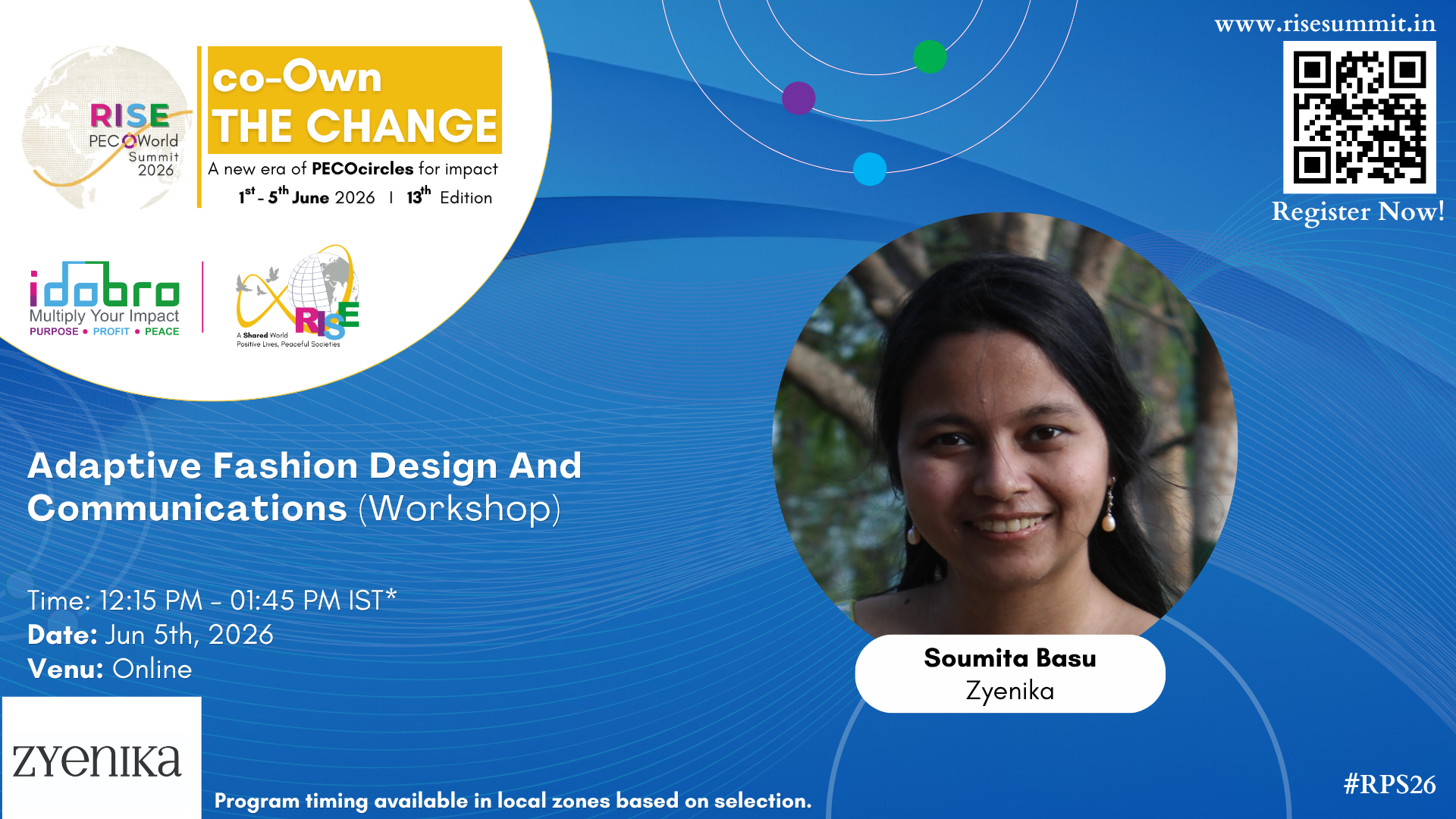
Mass-market industrialization has homogenized fashion, alienating individuals with diverse body types, disabilities, or age-related physical impairments. In this masterclass held on 3rd June 2026, Soumita Basu (Founder of Zyenika) breaks down the history of apparel, the urgent mechanics of inclusive design, and the path to authentic communication. The session's core thesis: adaptive fashion is not a niche, charitable specialization—it is a $150 billion market evolution rooted in universal design, dignity, and functional empowerment. "True inclusivity requires acknowledging diverse bodies rather than forcing them into a rigid, singular standard. Fashion must return to its historical roots: serving the human experience." Redefining Apparel History: Fashion as Hidden Function Modern consumers often view fashion purely through an aesthetic lens, yet Soumita Basu highlights that the historical foundations of clothing were profoundly functional. Many design elements standard today were originally engineered to solve specific physical or environmental challenges: Raglan Sleeves: Today a staple in sportswear, this diagonal sleeve seam running from the underarm to the collarbone was originally invented to allow a general with limited arm mobility to dress and move with ease. High Heels: Originally designed for men to maintain stability in stirrups while riding horses, the heel shifted across centuries from a functional equestrian tool to a symbol of wealth, status, and eventual aesthetic trend—even as it lost its comfort. Button Placement & Pockets: The asymmetry in how men's and women's clothing fastens, alongside the historical exclusion or downsizing of functional pockets, deeply reflects past gender roles and rigid societal structures rather than universal utility. When mass production took over, it stripped away these deep historical connections to individual utility, substituting them with a monolithic approach to manufacturing. Shattering the Myth of "Standard Sizing" The industrialization of the fashion industry created a major systemic barrier: the fiction of the "standard" body. By forcing consumers into hyper-rigid, singular sizing charts, mass-market brands systematically lock out millions who live with physical impairments, sensory sensitivities, or fluctuating bodies. Basu argues that the industry must pivot toward Universal Design—creating garments that are inherently accessible to the largest possible demographic without requiring specialized, clinical alterations. Instead of traditional monolithic manufacturing—which relies on static sizing charts (XS–XL), tiny buttons, back-facing stiff zippers, and rough seams with irritating tags—adaptive universal design champions extreme flexibility. It incorporates features like smocked dresses that naturally stretch and contract, tagless interiors, flat seams, and magnetic front closures. These details don't look like medical garments; they look like beautiful, intelligent fashion that happens to serve a broader, more diverse audience. The Communication Gap: Labeling for Inclusion Innovation in the studio fails if the consumer cannot find the product online or in-store. Basu points to a massive gap in how brands describe their apparel. Marketing copy frequently leans heavily on abstract aesthetic words (e.g., "a voluminous silhouette") while completely omitting the functional metadata that disabled or elderly shoppers need to make an informed purchase. Authentic, accessible communication requires rigorous descriptive product labeling. Clearly stating that a dress features "a smocked bodice allowing 4 inches of chest expansion" or utilizing screen-reader-friendly digital metadata allows consumers—including those with visual impairments—to navigate collections independently. Conclusion: The $150 Billion Imperative Inclusivity is frequently mischaracterized by corporate boardrooms as an expensive, high-friction CSR exercise. Basu shatters this framing with a hard economic reality: the disability and elderly segment in India represents a staggering $150 billion USD market potential. To "co-own the change," the next generation of designers must look past the superficiality of the runway. When brands design with empathy and communicate with clarity, fashion transforms from a daily source of frustration into a powerful tool for individual empowerment and systemic economic growth. FAQ What is the difference between adaptive fashion and universal design? Adaptive fashion often refers specifically to clothing engineered with altered closures or cuts to assist individuals with distinct physical disabilities. Universal design is a broader philosophy: creating beautiful, everyday clothing with built-in flexibility (like elastic smocking or magnetic closures) that seamlessly accommodates both non-disabled individuals and people with varying physical needs without looking clinical. Why does the session emphasize rewriting online product descriptions? Because current fashion e-commerce relies almost entirely on visual romance copy rather than functional specifications. Providing precise, clear metadata (e.g., detailing the stretchiness of a fabric, the location of fasteners, or tagless interiors) allows shoppers with cognitive, sensory, or visual impairments to confidently buy clothes that meet their physical realities. How does adaptive fashion tap into a $150 billion market opportunity in India? The aging population combined with millions of individuals living with chronic illnesses, temporary injuries, and permanent disabilities represents an enormous, historically underserved consumer block. Brands that pivot to inclusive design unlock a massive wave of purchasing power from consumers who are actively searching for clothes that offer both dignity and style.
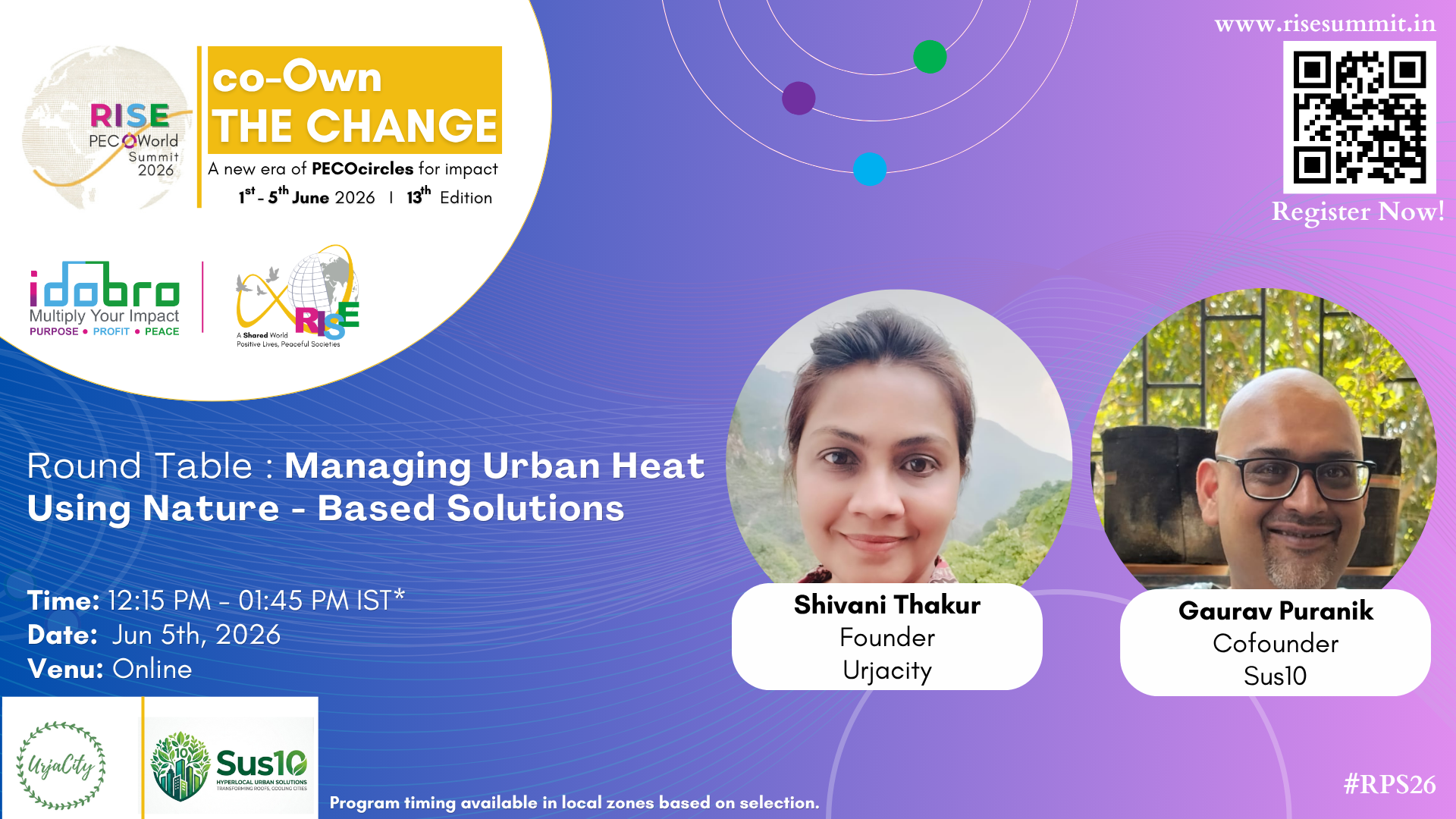
Rapid urbanization has converted our cities into literal thermal traps. In this roundtable panel held on 5th June from the RISE PECOWorld Summit 2026, climate tech experts, policy advocates, and infrastructure innovators argue that heavy reliance on artificial, energy-intensive air conditioning is unsustainable. The session's core thesis: mitigating the severe urban heat island effect requires a strategic shift toward Nature-Based Solutions (NbS), utilizing localized water systems, digital monitoring, and decentralized, community-driven rooftop transformations under the summit's central vision, "Co-Own The Change". “Technology alone is a weak shield against climate risk. True urban cooling requires multi-solving—where a single intervention simultaneously addresses heat mitigation, local food security, and collective civic action.” The Thermal Trap: Moving Beyond Artificial Cooling Modern concrete jungles absorb and re-radiate solar heat, creating highly concentrated urban microclimates where temperatures can soar significantly higher than adjacent rural areas. Roundtable leaders Shivani Thakur (Founder, Urjacity) and Gaurav Puranik (Co-Founder, Sus10) highlight that continuing to fight this thermal accumulation with air conditioning only creates a vicious feedback loop, dumping waste heat back into our streets. To cool cities effectively, urban planning must prioritize nature-first ecosystem designs. By integrating vertical micro-forests, high-reflectivity materials, and natural wind and water corridors, municipalities can actively reduce ambient air temperatures without draining the power grid. Actionable Pathways for Cooling Concrete Jungles 1. Decentralized Rooftop Transformation A vast portion of a city’s thermal mass is concentrated in bare, dark roofs. Pratik Tiwari (Living Greens) points to a massive, underutilized opportunity: converting these barren, concrete slabs into organic farms. Greening roofs shields building envelopes from direct solar exposure, reducing indoor temperatures while addressing food toxicity. However, a critical bottleneck remains. Tiwari notes that while agricultural ministries understand the value of urban farming, urban housing and municipal ministries lack the policy frameworks to support and incentivize large-scale rooftop transitions. 2. Data-Driven Mapping for Micro-Scale Planning Awareness is only half the battle; scaling green infrastructure requires precise data. Gaurav Puranik (Sus10) demonstrated mapping technology that identifies unmapped, bare rooftops in dense hubs like Bangalore. By quantifying exactly how much solar exposure and greening potential a neighborhood possesses, this digital tool removes administrative guesswork, providing housing societies and micro-enterprises with a clear, data-backed roadmap to transition. 3. Restoring Water as an Ecosystem Service Provider Traditional civil engineering treats urban lakes, ponds, and canals purely as passive flood-retention basins or drinking water storage. Madukar Sanbu (Vadik Region) advocates for a profound paradigm shift: treating water bodies as dynamic ecosystem service providers. Restoring urban wetlands, clearing encroached floodplains, and revitalizing natural channels introduces systemic evaporative cooling. This process not only drops localized air temperatures but also purifies ambient air, improves soil health, and fosters regional biodiversity. 4. Financial Viability and Digital Verification Nature-based infrastructure often struggles to secure long-term capital because its cooling and carbon-sequestration benefits have historically been hard to measure. Dhwani (Ploxxy) highlights how Digital Measurement, Reporting, and Verification (DMRV) technology is closing this gap. By utilizing real-time sensor networks and satellite imaging, projects can verify environmental outcomes in real-time, packaging them as credible carbon credits to attract industrial ESG investment. Strategic Framework: The PECO World Approach to Multi-Solving Rather than waiting for slow, top-down bureaucratic mandates, the panel introduced structural frameworks designed to empower grassroots networks to act immediately: Systemic Risk Lensing: Sarabjit Singh suggests applying a proactive risk-mapping approach to urban planning, particularly in highly dense, under-resourced settlements like slums. This ensures that cooling interventions are directed to the most vulnerable communities before extreme heatwaves hit, rather than reacting afterwards. The PECO-Net Architecture: Instead of top-down municipal oversight, the RISE PECOWorld platform uses its collaborative platform, PECO-Net, to build decentralized "circles" or hyper-local action missions. This allows residential housing societies, local schools, and micro-enterprises to directly share templates, swap resources, and implement interventions together. Targeted Grassroots Campaigns: The roundtable concluded with a call to launch concrete, localized campaigns through these circles—setting targeted missions like "1,000 Green Rooftops in Jaipur" or a coordinated community restoration of natural water bodies across the Delhi NCR region. Conclusion: Designing Living Cities Mitigating rising urban temperatures requires us to stop viewing nature as a luxury ornament and start treating it as essential public infrastructure. When local enterprises, housing collectives, and environmental innovators co-own the transition, concrete surfaces can be turned back into living, breathing sponges. The future of our cities rests on a simple premise: we must either co-design with nature, or continue to burn in the traps we built. FAQ What is the urban heat island (UHI) effect, and how do nature-based solutions address it? The urban heat island effect occurs when dense concrete, asphalt, and steel absorb sunlight and trap heat, making urban centers significantly warmer than surrounding rural areas. Nature-based solutions (NbS) combat this by replacing heat-absorbing surfaces with vegetation (green roofs, vertical forests) and water bodies, which naturally cool the surrounding air through shade and evapotranspiration. Why is policy coordination a major barrier for urban rooftop farming? As discussed by Pratik Tiwari, rooftop farming falls into a administrative gray zone. Agricultural departments understand food production but have no jurisdiction over urban building codes. Meanwhile, urban housing ministries focus on structural regulations and real estate but lack the mandates or expertise to support urban agriculture. Bridging this policy gap is essential to scale green roofs. How does DMRV technology make environmental cooling projects financially viable? Digital Measurement, Reporting, and Verification (DMRV) uses IoT sensors, climate models, and satellite data to reliably calculate how much heat a green space mitigates and how much carbon it captures. This precise, verifiable data allows community projects to access global carbon markets and secure corporate ESG funding, turning local environmental restoration into an economically self-sustaining enterprise.
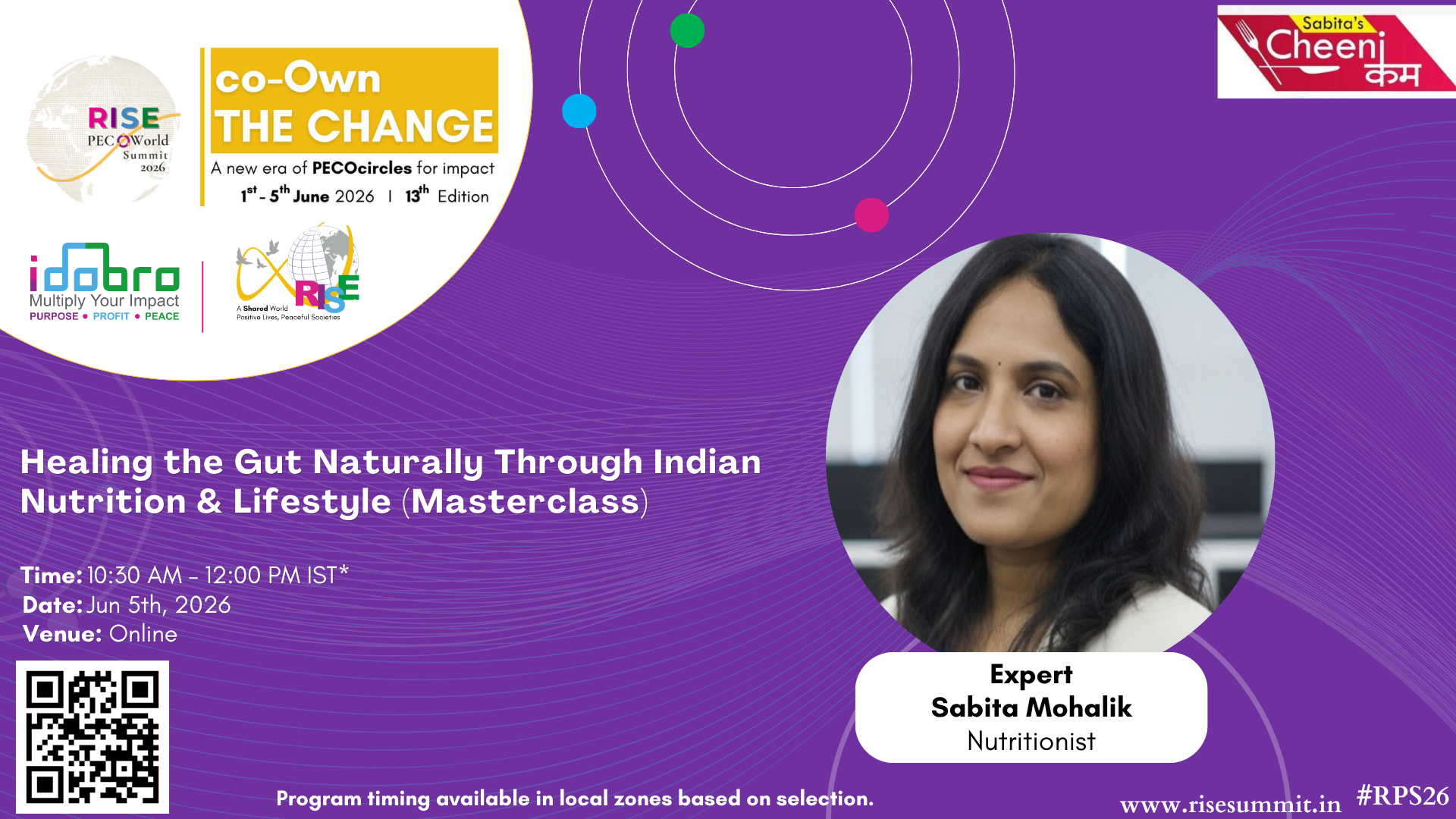
Modern processed diets, erratic sleep schedules, and sedentary lifestyles have severely disrupted the human gut microbiome, leading to chronic physical burnout. In this wellness masterclass held on 5th June 2026, Sabita Mohalik (Nutritionist & Founder, Sabita's Cheeni Kum) breaks down how traditional Indian dietary systems can naturally resolve modern metabolic issues. The core thesis: a healthy gut is the foundation of overall immunity, and reclaiming our metabolic health requires localized, cost-effective nutrition and consistent daily habits under the summit's vision to "Co-Own The Change." "Probiotic is your bike or car, and prebiotic is your petrol. Small daily habits create big changes in your life. Food is not a replacement for medical treatment, but nutrition can be a powerful partner in healing." In our fast-paced modern lives, metabolic distress has become highly normalized. We frequently self-medicate for daily discomforts without addressing the root cause: a compromised digestive system (the stomach and intestines). To move beyond chronic symptoms, Mohalik argues that we must stop viewing gut health as a trendy wellness fad and return to the deeply scientific, seasonal eating cycles inherent in traditional Indian kitchens. The Modern Microbiome Crisis Mohalik began by clarifying the specific terminology of digestive distress, which people often conflate: Acidity: A distinct burning sensation in the throat and upper chest. Gas: Excess air formation trapped within the digestive tract. Bloating: A physical sensation of fullness, tightness, and abdominal swelling. While processed food is a known culprit, Mohalik emphasized that modern lifestyle choices are equally destructive. Skipping breakfast, suffering poor sleep due to late-night mobile use, and maintaining a sedentary routine severely disrupt the microbiome. One of the most common and damaging modern habits is consuming caffeine first thing in the morning. Mohalik issued a stark warning: drinking tea or coffee on an empty stomach is incredibly dangerous, acting as a primary trigger for severe acidity and gut inflammation. The Mechanics of Gut Healing: Prebiotics and Probiotics To rebuild gut flora, Mohalik introduced a relatable framework: if a probiotic is the vehicle (the bike or car), a prebiotic is the fuel (the petrol) required to make it run. Consuming one without the other yields poor results. Rather than relying on expensive commercial supplements, she pointed to everyday Indian staples: Probiotic Sources: Homemade buttermilk (chaas) and fermented rice (pakhala bhat). Prebiotic Fuel: Simple, accessible kitchen seeds like cumin, fennel, and coriander. These traditional foods are inherently designed to work together, providing both the live bacteria and the fibrous fuel needed to sustain a robust, immunity-boosting microbiome. Traditional Wisdom in Action: Fireless Cooking A major theme of the session was that effective nutrition must be cost-effective and accessible. To demonstrate this, Mohalik prepared Tanka Torani, a traditional fermented rice water drink originating from Odisha. Utilizing leftover rice, curd, curry leaves, mango ginger, and fresh lemon leaves, she showcased a zero-waste, fireless cooking method. The residual rice doesn't go to waste; it becomes highly nutritious curd rice. This simple demonstration proved that gut-friendly, fermented superfoods do not require premium ingredients—they simply require ancestral knowledge and a little preparation. Breaking Myths and Individualized Care Throughout the masterclass, Mohalik rejected blanket diet rules, constantly reminding the audience that effective nutrition differs from body to body. During the Q&A, she dismantled several modern dietary myths: Healthy Weight Gain: Rather than relying on commercial protein powders, she suggested a powerful traditional combination for healthy weight gain: eating a banana early in the morning, followed by poha (flattened rice) mashed with curd and a small amount of jaggery, paired with regular strength training. The Sugar Illusion: Addressing the demonization of white sugar, she clarified a harsh truth for weight management: sugar, jaggery, and honey all carry practically equal calories. While children can process moderate sugar, adults with metabolic conditions should rely on stevia or palm jaggery only during emergencies, not as daily staples under the false assumption that they are "calorie-free." Conclusion: Co-Owning Your Health True metabolic healing cannot be outsourced to a pill or a fad diet; it requires active, daily ownership. By integrating local ferments, aligning with seasonal cycles, and eliminating destructive morning habits, individuals can rebuild their microbiomes from the inside out. The session left the audience with an empowering takeaway: you do not need expensive solutions to heal; your kitchen already holds the blueprint for your health. FAQ What is the difference between probiotics and prebiotics in a traditional Indian diet? As explained through Sabita Mohalik's analogy, a probiotic (like the beneficial bacteria found in chaas or fermented rice) is the "vehicle," while a prebiotic (like cumin, fennel, or coriander seeds) is the "fuel." Probiotics introduce good bacteria into your gut, and prebiotics provide the fiber those bacteria need to survive and thrive. Why is drinking tea or coffee on an empty stomach harmful? Consuming highly acidic beverages like tea or coffee immediately upon waking severely irritates the stomach lining. Because the stomach is empty, the caffeine and acids trigger excessive gastric acid production, which is a primary driver of chronic acidity, heartburn, and long-term microbiome disruption. Is replacing white sugar with jaggery or honey an effective strategy for weight loss? No. Mohalik clarified that sugar, jaggery, and honey contain roughly the same amount of calories. While jaggery and honey contain trace minerals that white sugar lacks, substituting them in high quantities will not aid in weight loss. They should be consumed mindfully, and alternatives like stevia should be reserved for specific dietary emergencies rather than acting as a daily crutch.
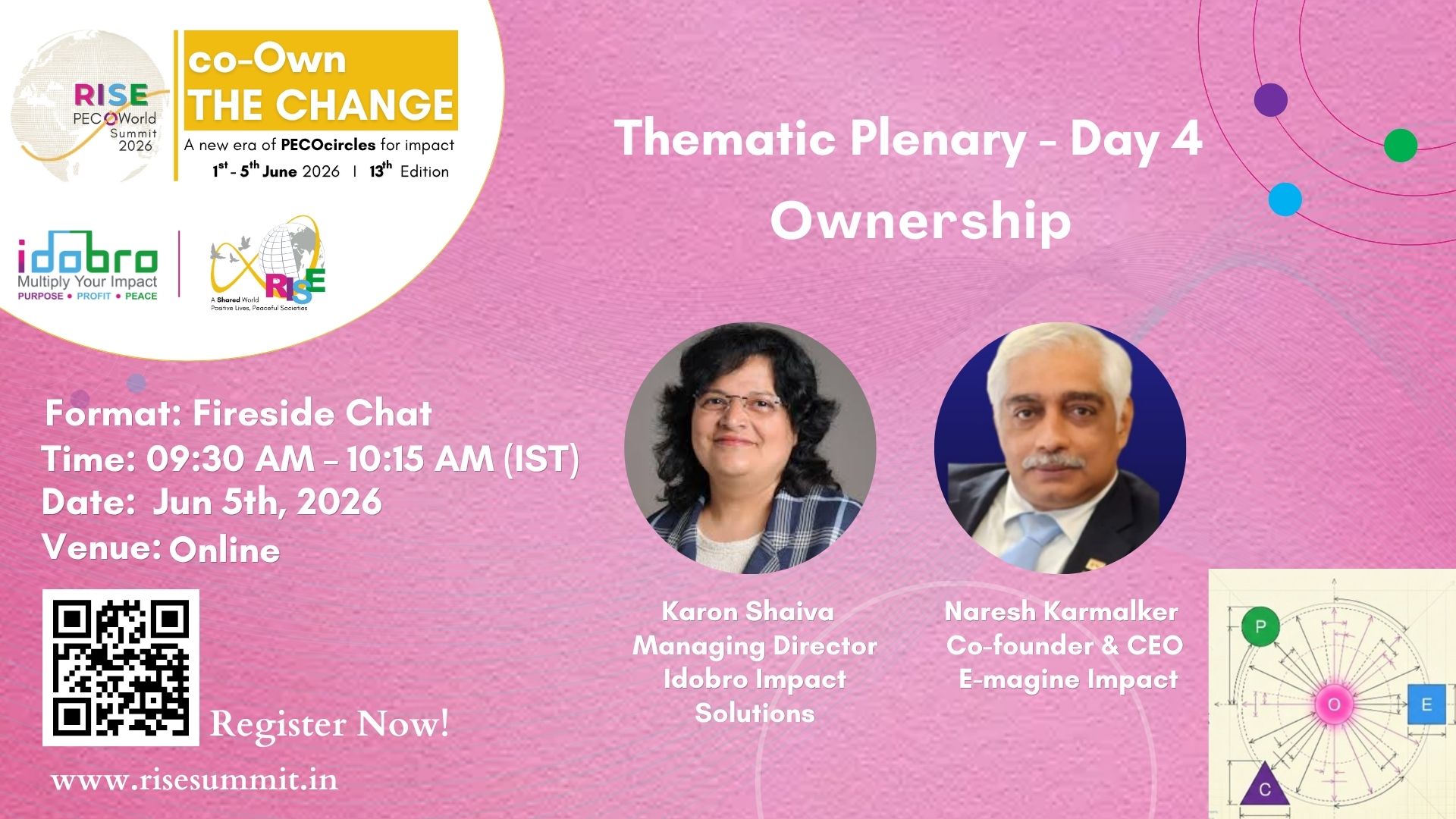
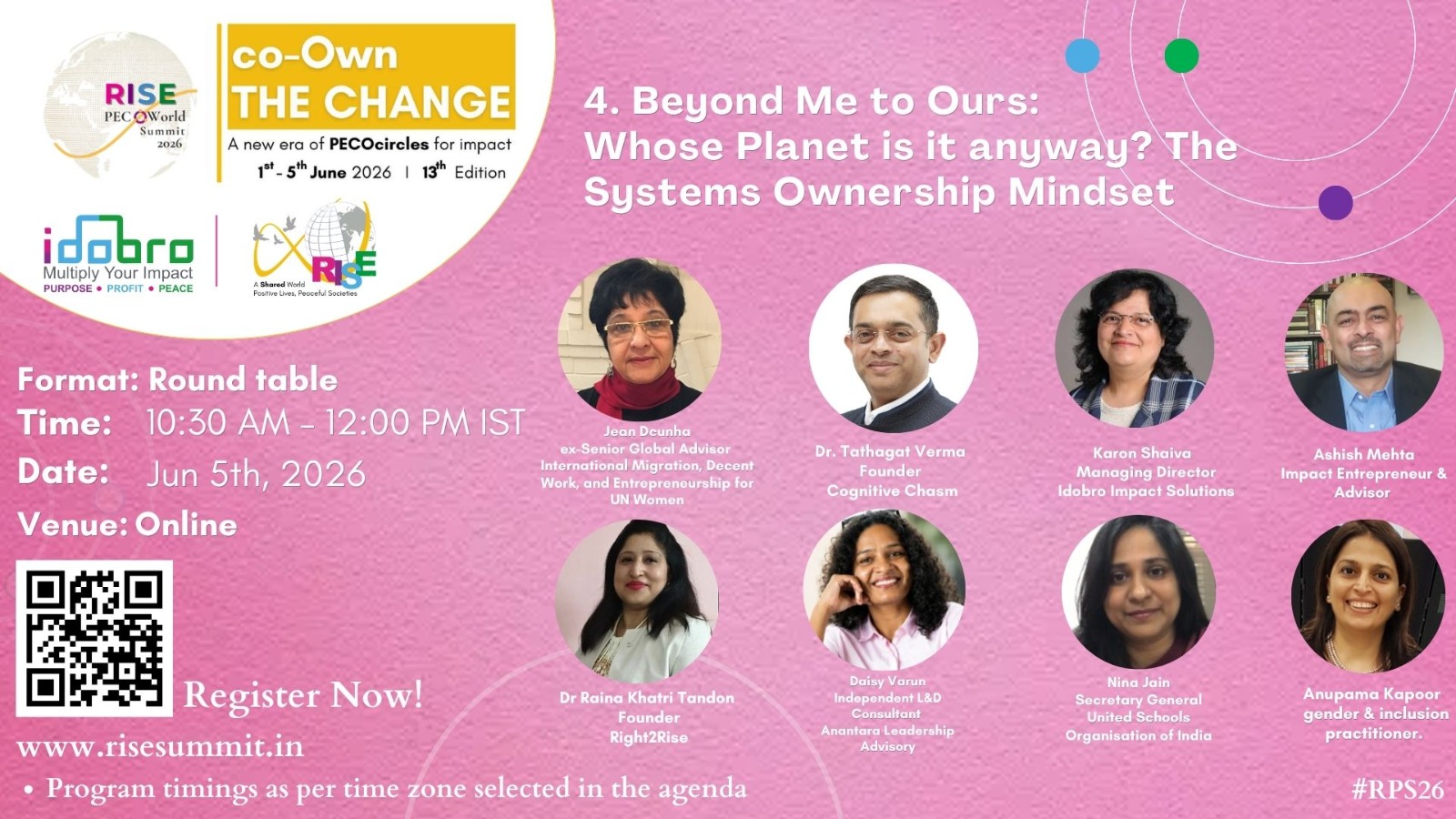
This roundtable focuses on shifting from an individual mindset of “my role” or “my responsibility” to a shared mindset of collective ownership and collaboration. Many social, environmental, and economic challenges continue because people and institutions often work in isolation. The session will explore how adopting a systems ownership mindset can help individuals, organizations, and communities see themselves as active co-owners of larger change processes.
PECO model explained; Ownership in the PECO™ Model. In the PECO™ model, to be an Owner is to hold three things simultaneously: a named commitment, a shared accountability and a stake in the outcome that cannot be transferred to someone else. Primer on PECOCircles.